
A clear monthly payment schedule can cut stress and help you avoid living paycheck to paycheck each month.
Create a zero-based budget before the month starts so every dollar has a job and essentials get priority.
Automate installment plans and bill pay to align due dates with paydays and avoid late fees or missed payments.
Consistent budgeting for three to four months makes affordable monthly payments and pay monthly habits become second nature.
Start by totaling monthly income, including side gigs. Then list fixed and variable expenses to build a realistic budget.
Cover essentials like food, utilities, shelter, and transportation first. Then allocate funds to savings and one-off costs.
Use apps like EveryDollar or tools recommended by the Consumer Financial Protection Bureau to track spending and adjust plans.
Set clear savings goals—emergency fund, vacation, or a car. Add them into your installment plans with automatic transfers.
Understanding the Concept
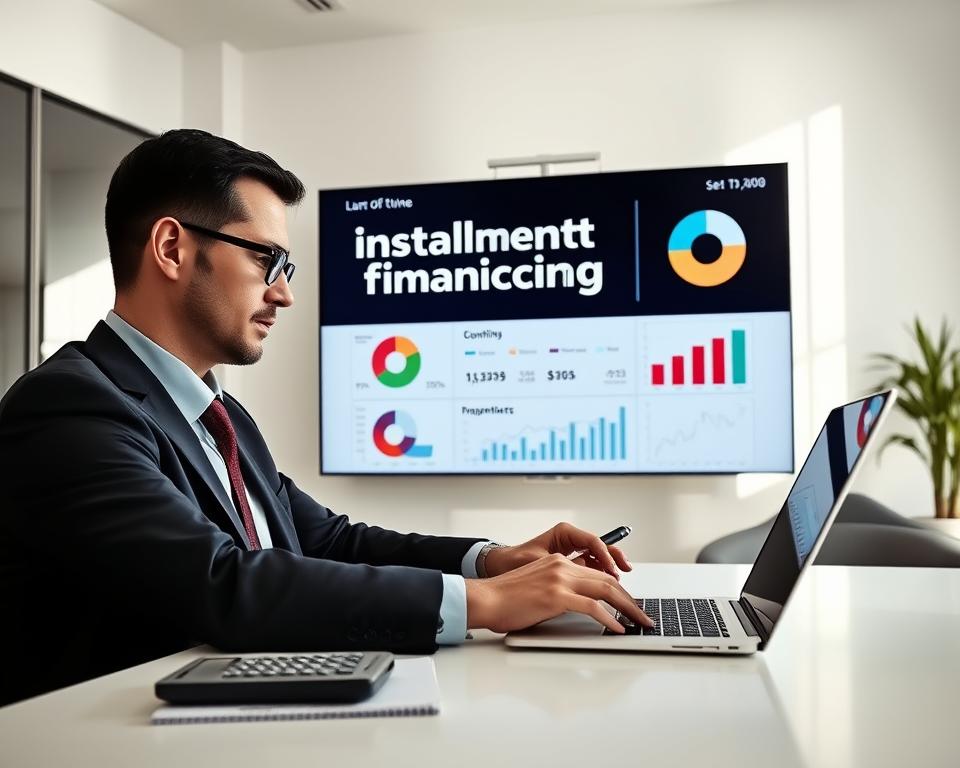
Old money habits can lead to stress about bills. Some folks react to their bills instead of preparing for them. This may cause them to miss payments or deal with high-interest debts. It becomes tough to wisely use installment plans or pick payment options when they’re needed.
Change to a proactive way of budgeting. With zero-based budgeting, you give every dollar a specific role at the month’s start. It guides you on which bills to pay, which subscriptions to drop, and when to save. This method helps avoid unexpected money issues.
Digital tools can simplify this budgeting shift. Apps like EveryDollar and Capital One’s CreditWise help you monitor your spending and credit. They’re great alongside budgeting tactics like the 50/30/20 rule. Planning ahead this way prepares you for sudden expenses.
Old Way vs New Way
The old approach involved random tracking and paying off debt as it comes. This often meant missing payments or depending on pricey credit options. In contrast, the new strategy involves creating a detailed budget, keeping an eye on expenses, and setting goals for saving. This turns money management into a planned activity, not just a response to problems.
In the past, savings were inconsistent, leaving no cushion for emergencies. But now, you can automatically move money to a savings account that grows over time. Using a payment calculator helps check if you can afford installment plans. Planning payments in advance lessens worries and keeps you focused.
Before, payments were often handled in a hurry. Now, automating essential payments, focusing on needs, and checking out flexible payment options for big buys is the way to go. Consider refinancing or special plans for student loans if they lower your monthly costs. This approach enhances your ability to pay confidently each month.
Efficiency
Efficiency starts with managing your money wisely. Always check your budget and note every expense. This helps you predict your monthly payments easily. By setting up automatic bill payments, you avoid late fees. Also, including a miscellaneous fund in your budget covers unexpected costs.
For better installment management, use reliable tools. Keep an eye on your credit with CreditWise. Also, bank apps help sort out your spending. Tackle your debt using either the snowball or avalanche method. This reduces interest and makes payments simpler. For help with tax payments, check the CRA installment options website. It offers clear advice and tools.
Smart decisions can reduce expenses and increase your cash flow. Move savings to accounts with higher interest and automate those transfers. Always look for better deals on regular services. Consider refinancing to lessen monthly payments, but think about the initial costs first. For mortgage tips, like reducing the loan term or increasing payments, visit CIBC’s Pay Your Mortgage Faster site.
Small steps lead to big improvements. Set up automatic savings and bill payments. Focus on paying off debt and check your subscriptions every few months. These actions stabilize your monthly payments. They also help you stay on track with your finances while you strengthen your financial security.