
A strong credit score is key to financial success. It shows how trustworthy you are with money.
Knowing what affects your credit score helps you improve it. This knowledge is powerful.
Checking your credit report often keeps you in the loop. It also lets you fix any mistakes fast.
Good habits and steady effort can boost your FICO score. This opens up many doors for you.
Understanding the Concept
Knowing about credit scores is key to managing your money well. Your credit score and rating show how reliable you are to lenders. This is important for your financial health.
The FICO score, made by the Fair Isaac Corporation, is very common. It goes from 300 to 850, with higher numbers meaning better credit. Many things affect your score, like how you pay bills, how much credit you use, and how long you’ve had credit.
Thanks to the internet, you can check your credit score easily. This lets you keep an eye on your credit and make smart money choices. You can spot areas to get better and work on improving your credit.

Workflow
To improve your credit score, it’s important to follow a structured workflow. This process includes several key steps. These steps help you not only check your credit score but also understand what affects it. Here’s a simple workflow to guide you:
- Obtain Your Credit Report: First, get your credit report from major bureaus like Experian, Equifax, and TransUnion. This step helps you see where you are.
- Review Credit Score Factors: Learn about the key factors that impact your score. These include payment history, outstanding debt, credit history length, and credit types.
- Identify Areas for Improvement: Look for any errors or negative items on your report. Make a list of what you need to work on to boost your score.
- Create a Plan: Make a plan that fits your financial situation. Focus on paying off debts and making timely payments.
- Implement Changes: Start making the changes outlined in your plan. Work consistently to pay off debts and manage your credit well.
- Monitor Progress: Keep an eye on your credit score after making changes. This lets you see if your score is improving.
By following these steps, you can improve your credit score in a systematic way. Regularly checking your score and making smart changes can bring lasting financial benefits.
| Step | Description | Outcome |
|---|---|---|
| Obtain Your Credit Report | Access your credit reports from all three bureaus. | Clear understanding of current credit situation. |
| Review Credit Score Factors | Identify the main elements impacting your score. | Knowledge of what needs improvement. |
| Identify Areas for Improvement | Spot inaccuracies and negative items. | Actionable list for positive changes. |
| Create a Plan | Draft a tailored strategy to enhance your score. | Clear roadmap toward improvement. |
| Implement Changes | Take actionable steps based on your plan. | Visible progress in credit standing. |
| Monitor Progress | Regularly check your credit score to track improvements. | Real-time feedback on your scoring efforts. |
Key Options
Improving your credit score is all about smart strategies. Knowing what affects your score is key. Here are some important steps to take:
| Strategy | Impact on Credit Score | How to Implement |
|---|---|---|
| Pay Bills on Time | Major influence on your credit score, accounting for 35% of the FICO score | Set up autopay or alerts for payment due dates |
| Reduce Credit Utilization | Significant impact, making up 30% of the FICO score | Aim for a utilization rate below 30% and strive for under 10% for optimal scores |
| Maintain Old Accounts | Helps lengthen credit history, impacting 15% of the FICO score | Keep older credit accounts open to add to credit score range |
| Diverse Credit Mix | Affects 10% of credit score; a mix can benefit creditworthiness | Include both revolving and installment credit wisely |
| Limit Hard Inquiries | May slightly lower your score, with inquiries having lesser impact | Prequalify for credit to minimize hard inquiries on your report |
Learning these strategies can guide your actions. By using them, you can keep your credit score healthy. For more tips on improving your credit, see this resource.
Efficiency
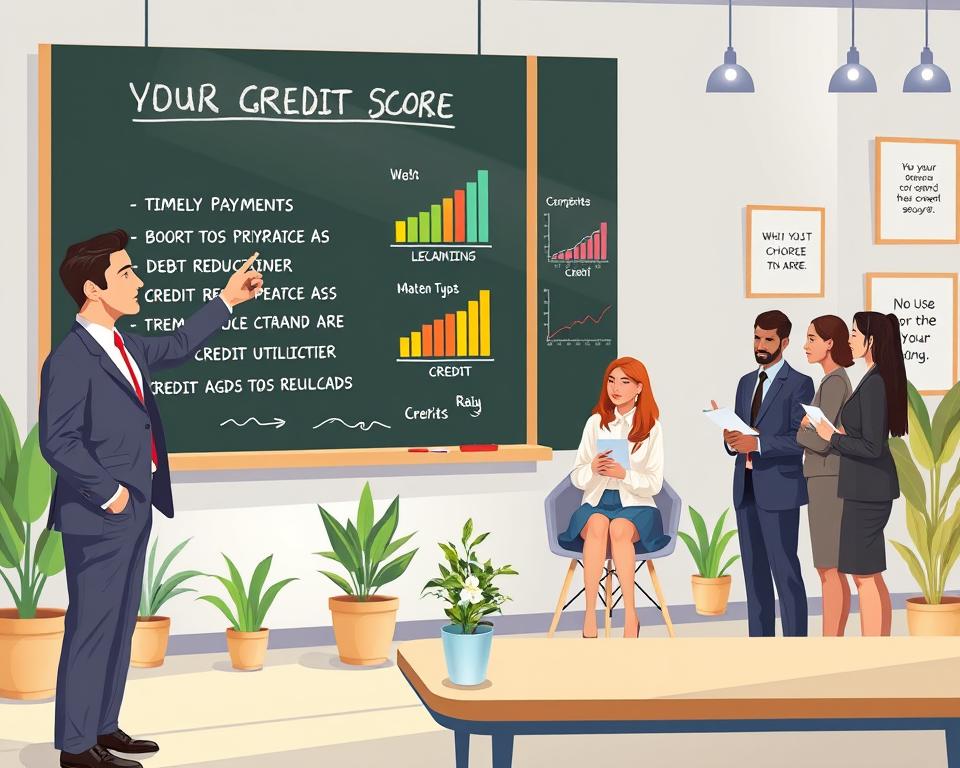
Improving your credit score can change your financial life for the better. It’s key to know what affects your score. Paying bills on time and keeping your credit use low are important steps.
Using less than 30% of your credit limit is good for your score. This simple habit makes lenders trust you more. It can lead to lower interest rates on loans and credit cards.
Being proactive is also important. If you think you might miss a payment, talk to your lender right away. Even if you’re disputing a bill, don’t skip payments. It can hurt your score.
Setting up electronic alerts can help you avoid missing payments. This is crucial for your credit score.
Keeping old credit accounts open and adding different types of credit can also boost your score. For more tips on improving your credit, check out this resource on improving your credit score. By following these strategies, you’ll build a strong financial profile over time.